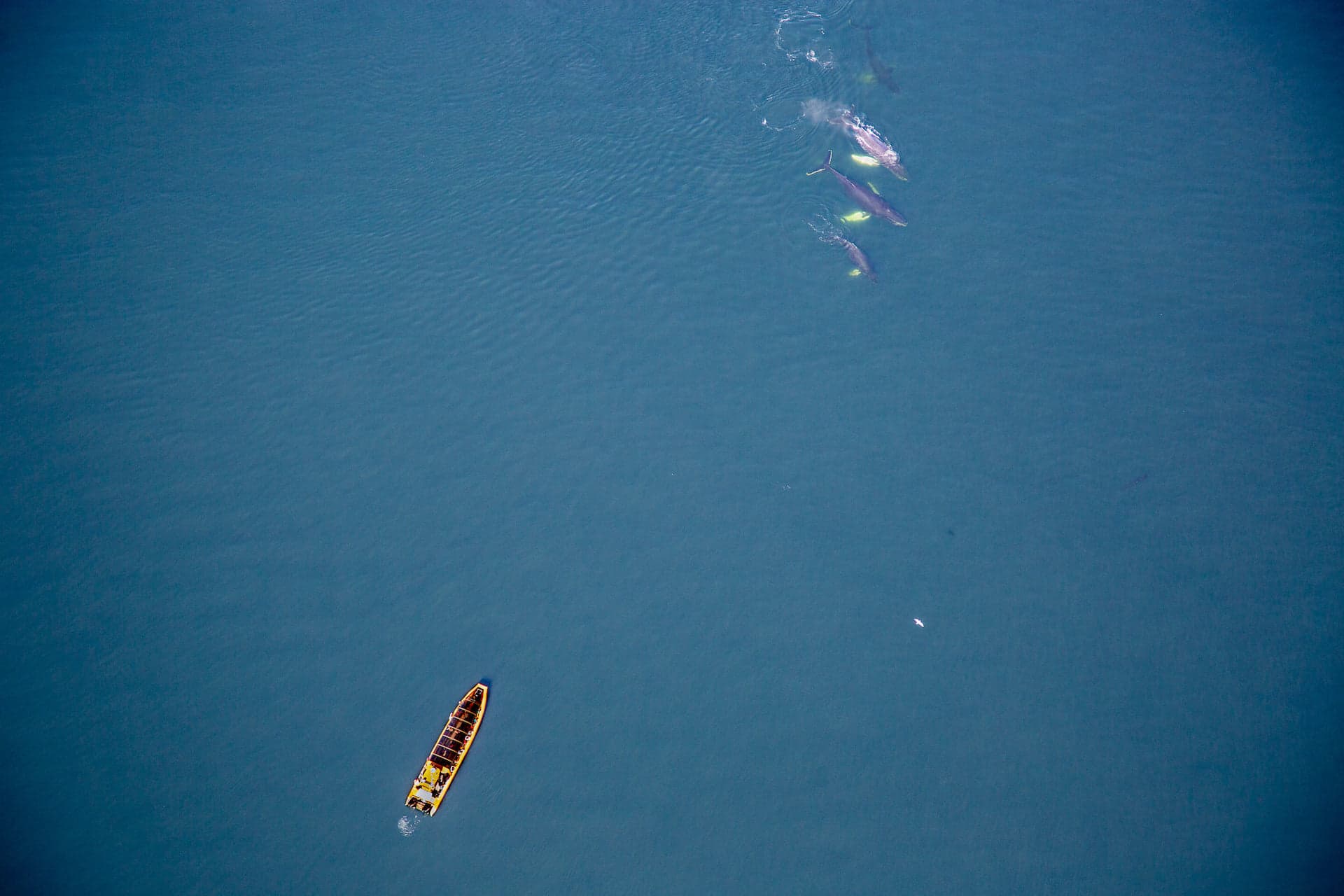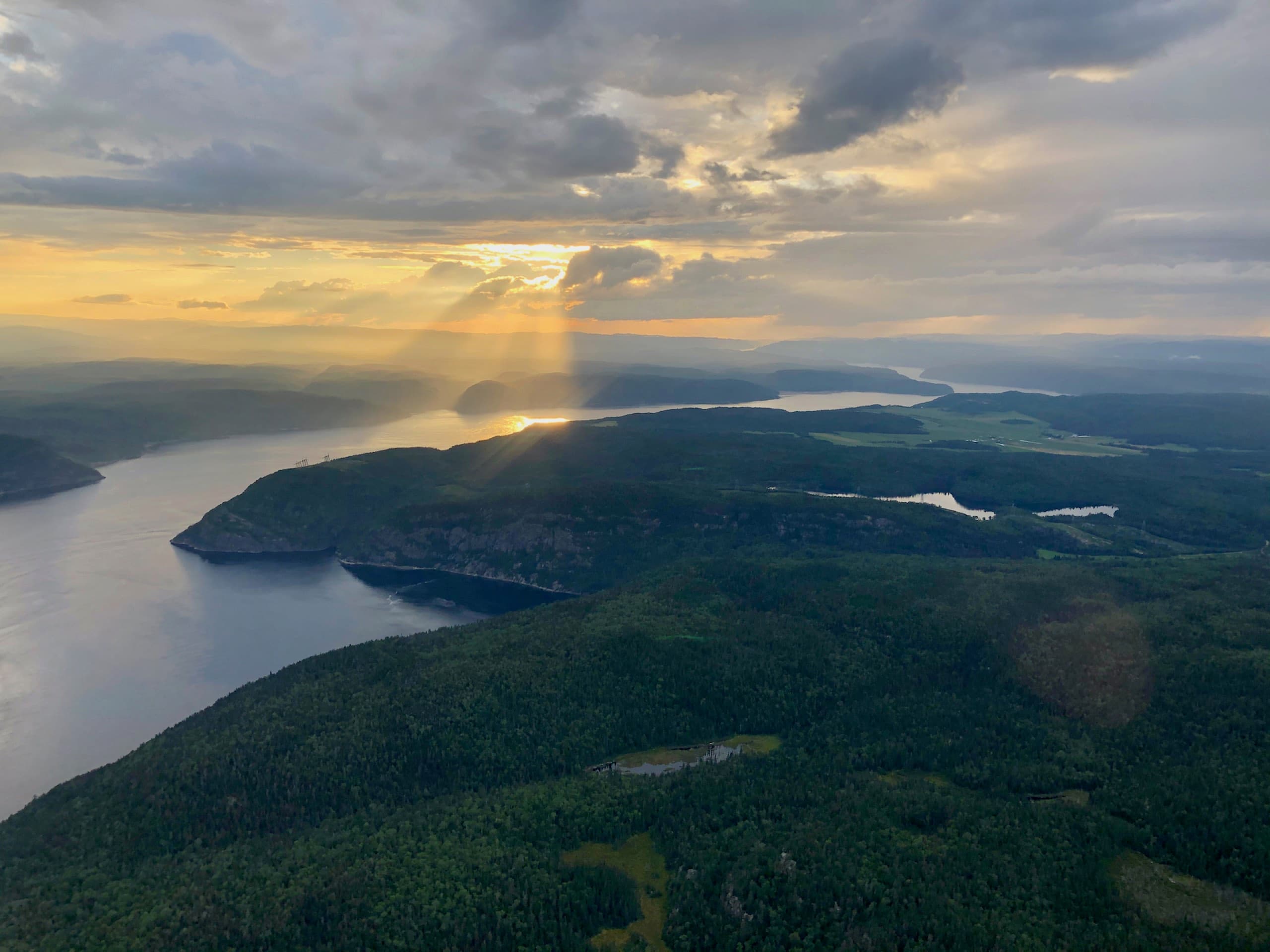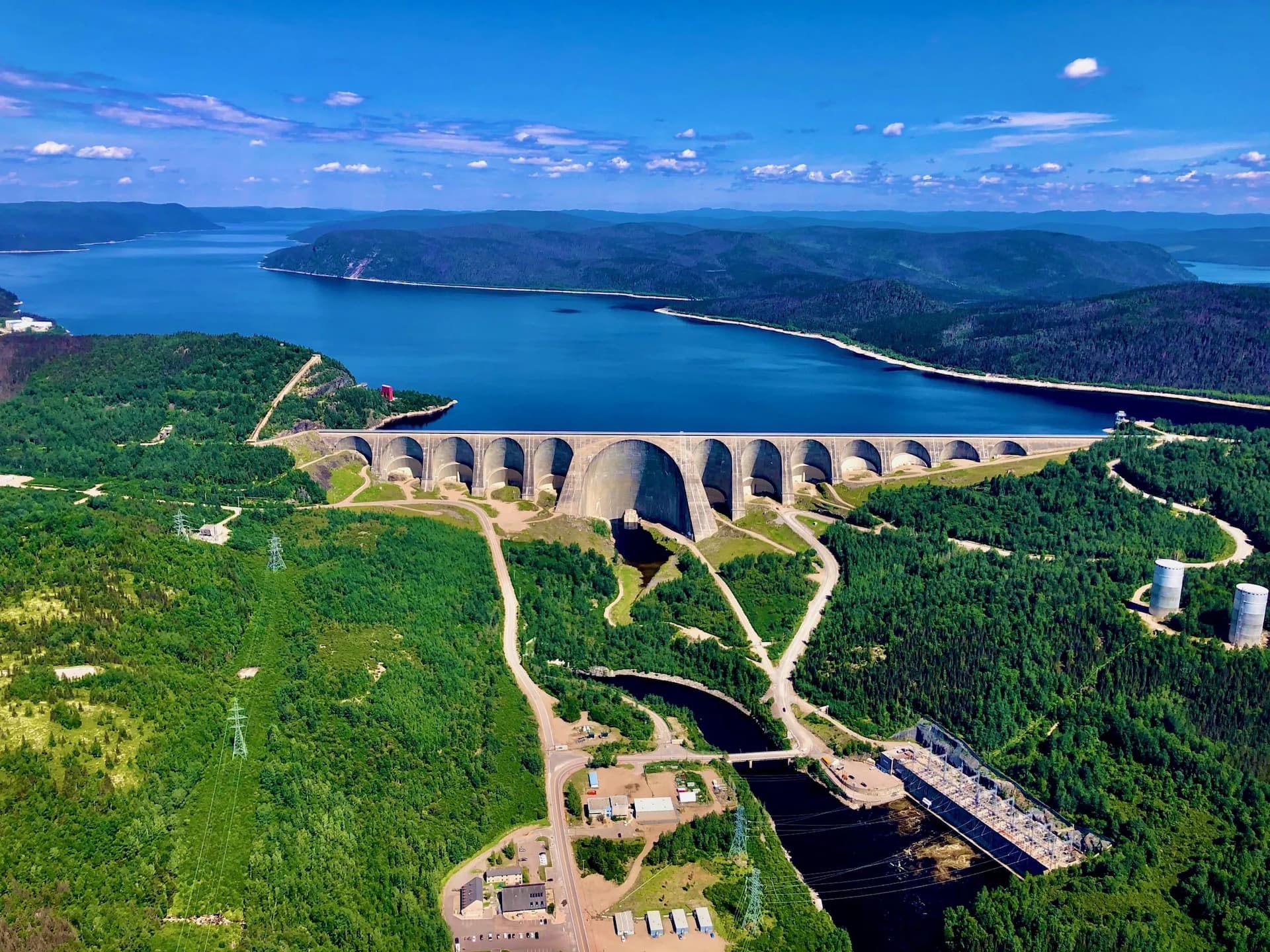
It's the question we hear most often, in the air and on the ground: “Is this a good time to see whales?” The short answer: from May to October, there are whales around Tadoussac and Les Escoumins — and from mid-June to late September, conditions are exceptional.
The long answer deserves an article, because every month has its own personality: the species change, the light changes, the crowds change. Here is the calendar as we experience it season after season from our aerodrome in Les Escoumins.
Why Tadoussac Attracts So Many Whales
It's no accident that this region ranks among the best whale-watching destinations in the world. Off Tadoussac, the Laurentian Channel — a deep underwater valley running up the St. Lawrence — comes to an abrupt end. Tidal currents push cold, nutrient-rich water to the surface, concentrating enormous quantities of krill and capelin.
The result is an open-air pantry where a dozen species of cetaceans come to feed every summer, just a few kilometres from shore. This is also why the area is protected by the Saguenay–St. Lawrence Marine Park, with strict approach rules for boats and aircraft alike.
The Month-by-Month Calendar
- ›May — Minke whales are back, seals are everywhere, and you'll have the river almost to yourself. Cool temperatures, but gorgeous light.
- ›June — The capelin roll in, fin whales arrive — and for the past 2-3 years, the first blue whales have been arriving right alongside them. An excellent balance of quiet and sightings before the holidays.
- ›July — High season: maximum species diversity and long, warm days. Book ahead — this is the busiest month.
- ›August — The peak of summer. Every species shows up, blue whale included.
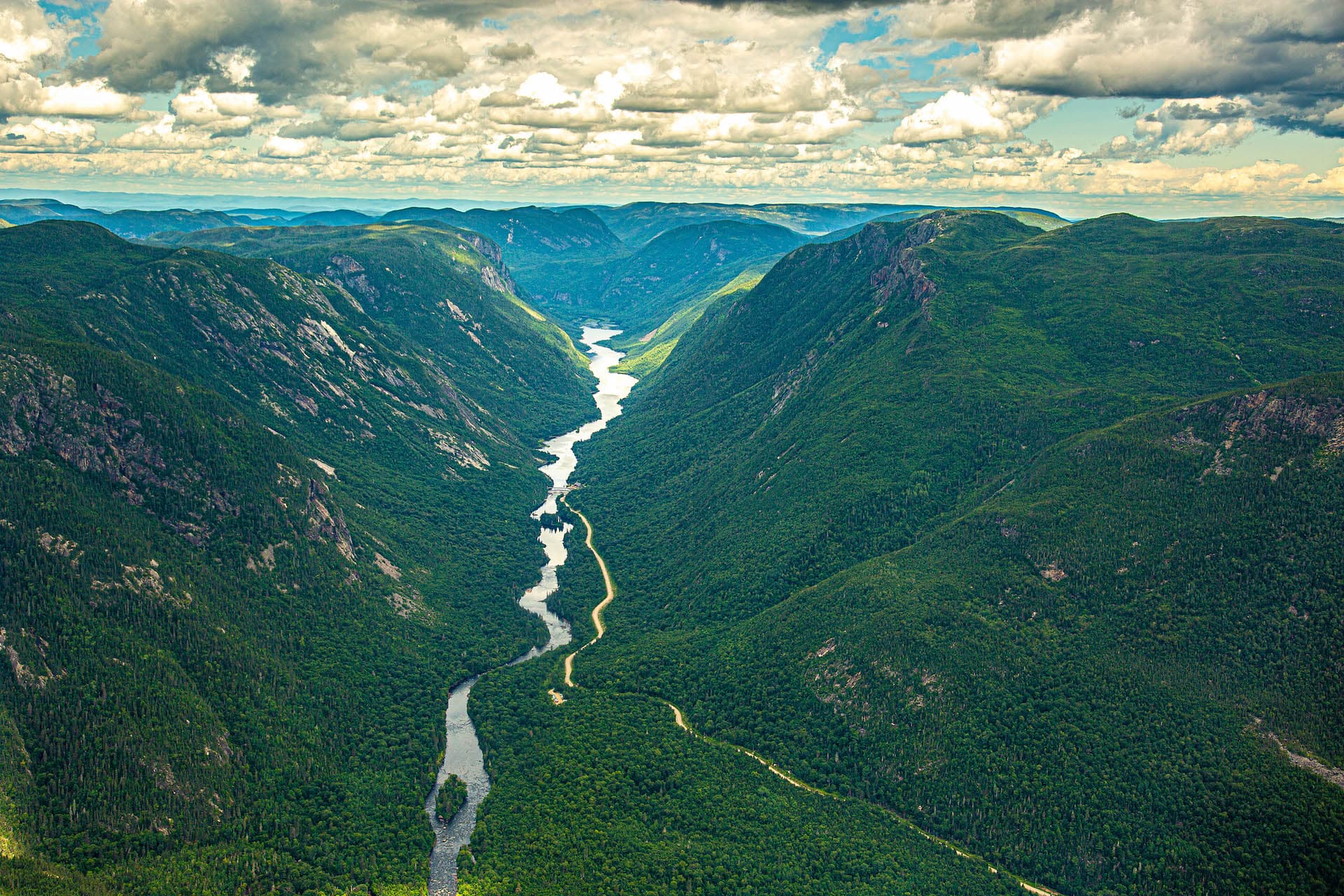
- ›September — Our favourite month: still plenty of whales, fewer people, and fall colours setting the boreal forest ablaze — spectacular from the air.
- ›October — End of season: the rorquals gradually head back toward the Atlantic, but blue whales are often still around. Dress warmly.
The Species and Their Seasons
- ›Minke whale — May to October. The most reliable: present all season, often close to shore.
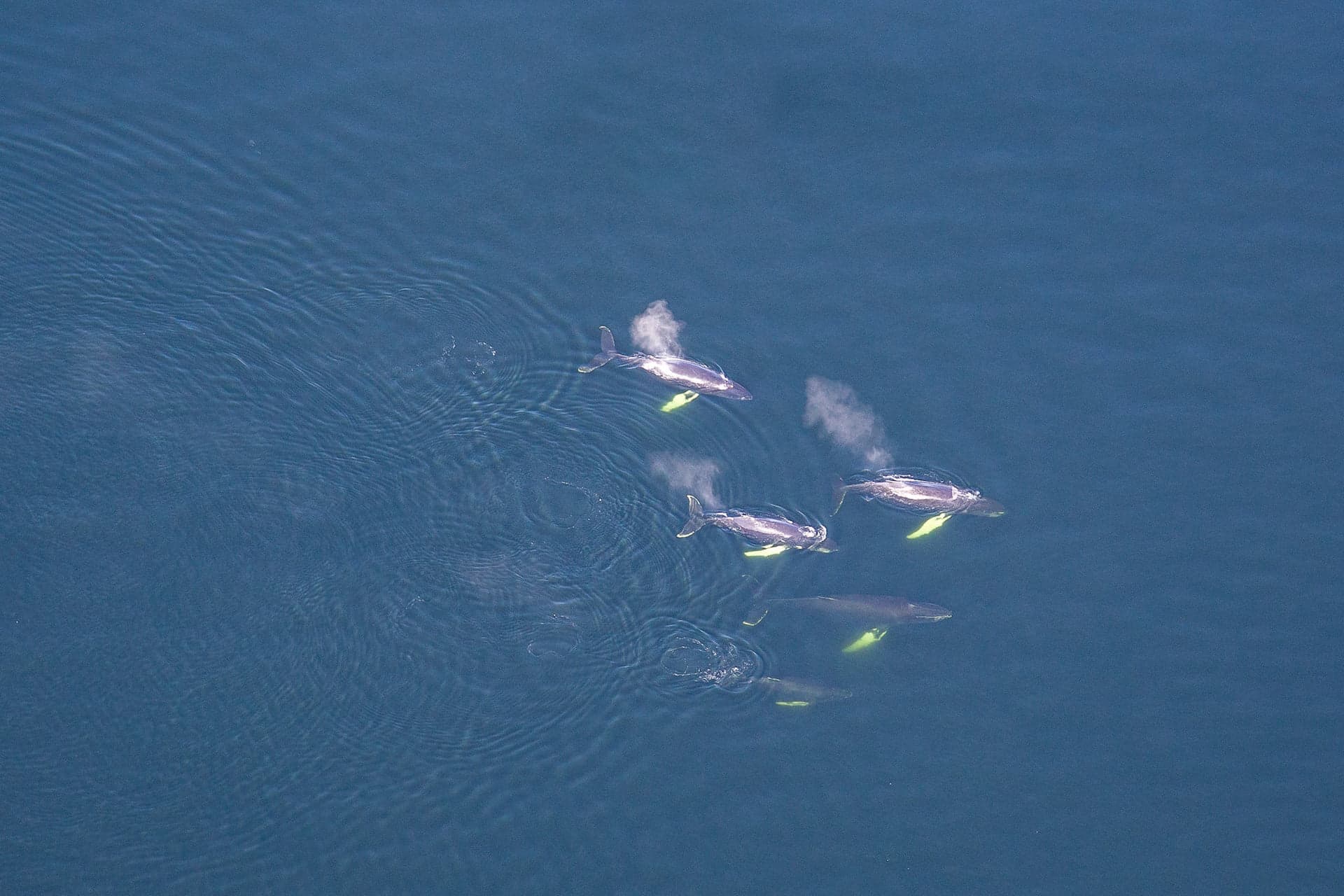
- ›Fin whale — June to October. The second-largest animal on Earth, a regular off Les Escoumins.
- ›Humpback whale — June to October. Increasingly common in the estuary; its breaches and fanned tail are unforgettable.
- ›Blue whale — June to October. Long a late-season star, for the past 2-3 years it has been arriving at the same time as the fin whales. The largest animal that has ever lived — never guaranteed, always overwhelming.
- ›Harbour porpoise and seals — all summer, everywhere. Grey and harbour seals bask on the rocks at low tide.
The Beluga, a Year-Round Resident
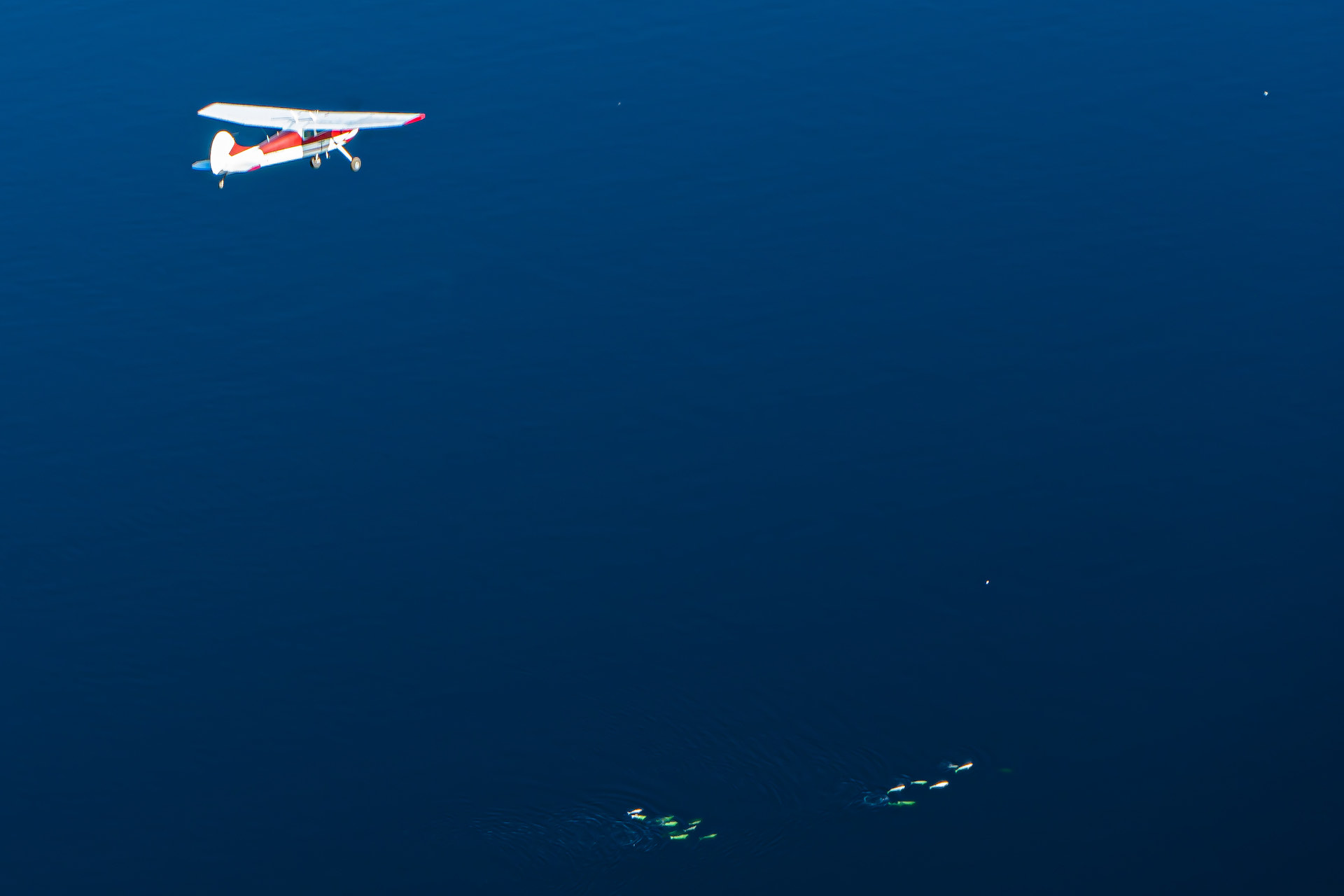
The St. Lawrence beluga lives here year-round: the only resident population of the estuary, roughly 1,900 individuals, fragile and strictly protected. Marine park regulations require boats to keep at least 400 metres away — you never approach a beluga.
This is where the aerial view becomes magical: from regulation altitude, without disturbing them, you can make out their brilliant white silhouettes against the dark water at the mouth of the Saguenay. A pod of belugas seen from the sky looks like a string of pearls drifting slowly — a perspective only an airplane can offer.
Our Pilot Tips
- ›On the water, dress like it's November even in July: the air above the river is always cold. Our zodiac partner provides cold-weather suits.
- ›In July and August, book several days ahead — seats go fast, on the water and in the air.
- ›Morning and late-day light is best for photos, and the river is often calmer before noon.
- ›Plan at least two days in the region: between the whales, the fjord and our forest mini-cabins, a single day goes by too fast.
- ›Boat, zodiac or airplane? Each shows you the whales differently — we compare them honestly in this article.
Frequently asked questions
Can you see whales as early as May?
Yes. Minke whales and seals are already around in May, and belugas live in the estuary year-round. Peak species diversity runs from mid-June to late September.
What is the best month for blue whales?
Historically, most sightings happened from late August to October. But for the past 2-3 years they have been arriving as early as June, alongside the fin whales — so one can cross your path all season long. No outing can guarantee one, which is exactly what makes every encounter memorable.
Are sightings guaranteed?
On the zodiac with our partner Croisières Escoumins, whales are guaranteed in season. From the airplane, sightings are very frequent, and the flight adds the fjord, the villages and the boreal forest — the scenery never cancels.
How far ahead should I book?
In July and August, at least a few days ahead — our aircraft carries only 3 passengers per flight. In May, June, September and October, things are much more flexible.
Experience Both Perspectives in One Day
Our Air and Sea Combo pairs 2 hours of zodiac whale watching (guaranteed sightings) with a 30-minute scenic flight over the river and Tadoussac — from $199/person.
Discover the Air and Sea Combo